Guide
3D Rendering for Real Estate and Property Developers
Off-the-plan sales in Australia run on renders. A buyer signing a contract in a display suite for an apartment that is two years from completion is buying the images on the wall, and a pre-sales target that unlocks construction finance is met or missed on how convincing those images are. This guide is for developers, project marketers and real estate agents: which renders to commission, when to commission them, what they cost, and the mistakes that cost campaigns money.
It draws on the way we brief and produce marketing sets for apartment, townhouse, house-and-land and commercial projects, and it uses our published prices — exteriors from A$445, interiors from A$345 — so the numbers are real rather than indicative.

Written by Shrey Agarwal, Founder & Studio Director at Build3DRender
Published 4 September 2026
The marketing set: which renders a campaign actually needs
A launch campaign for a residential project typically needs the following, and it is worth deciding the full list at the start because every image comes from the same model and pricing improves with volume.
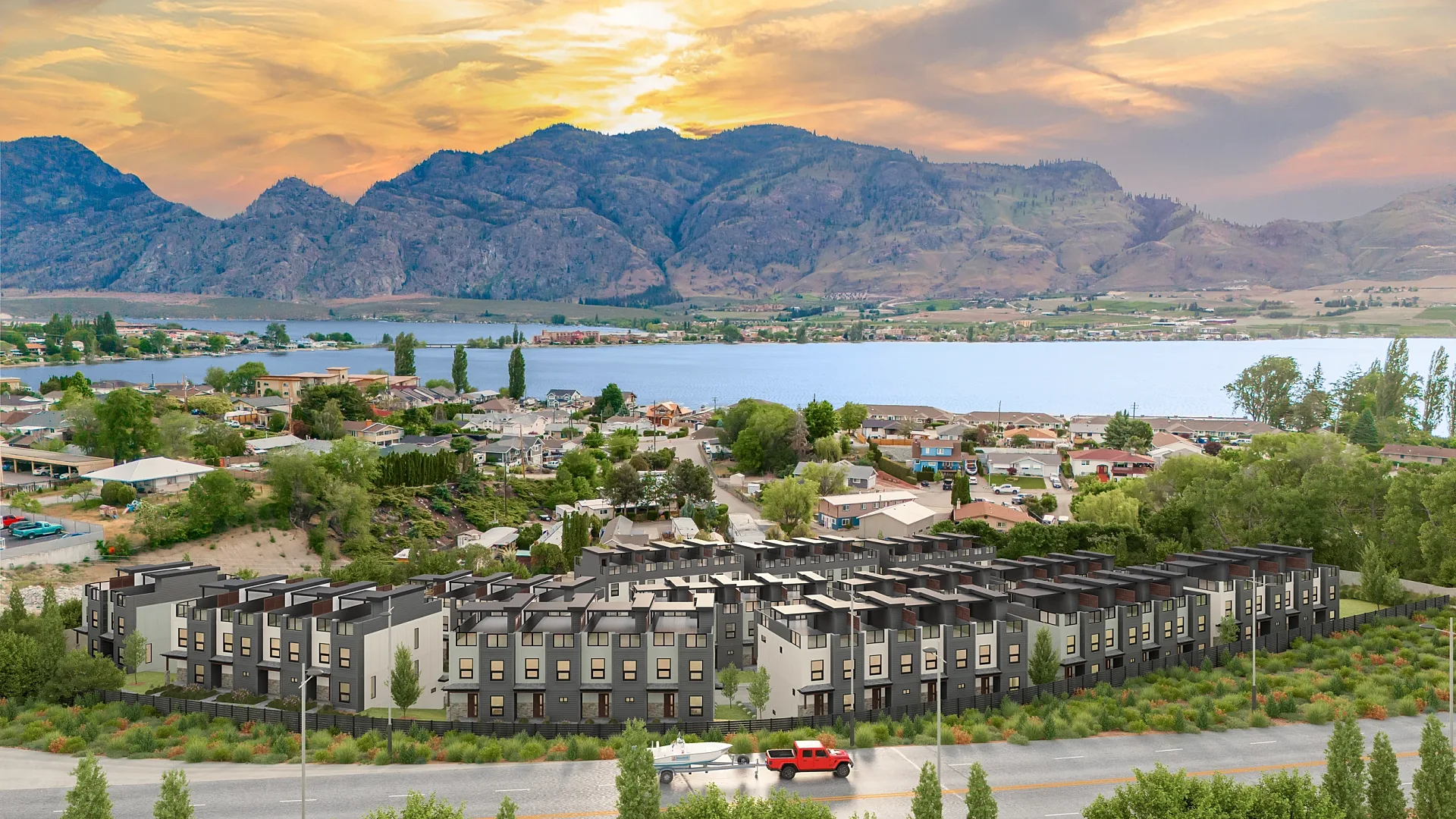
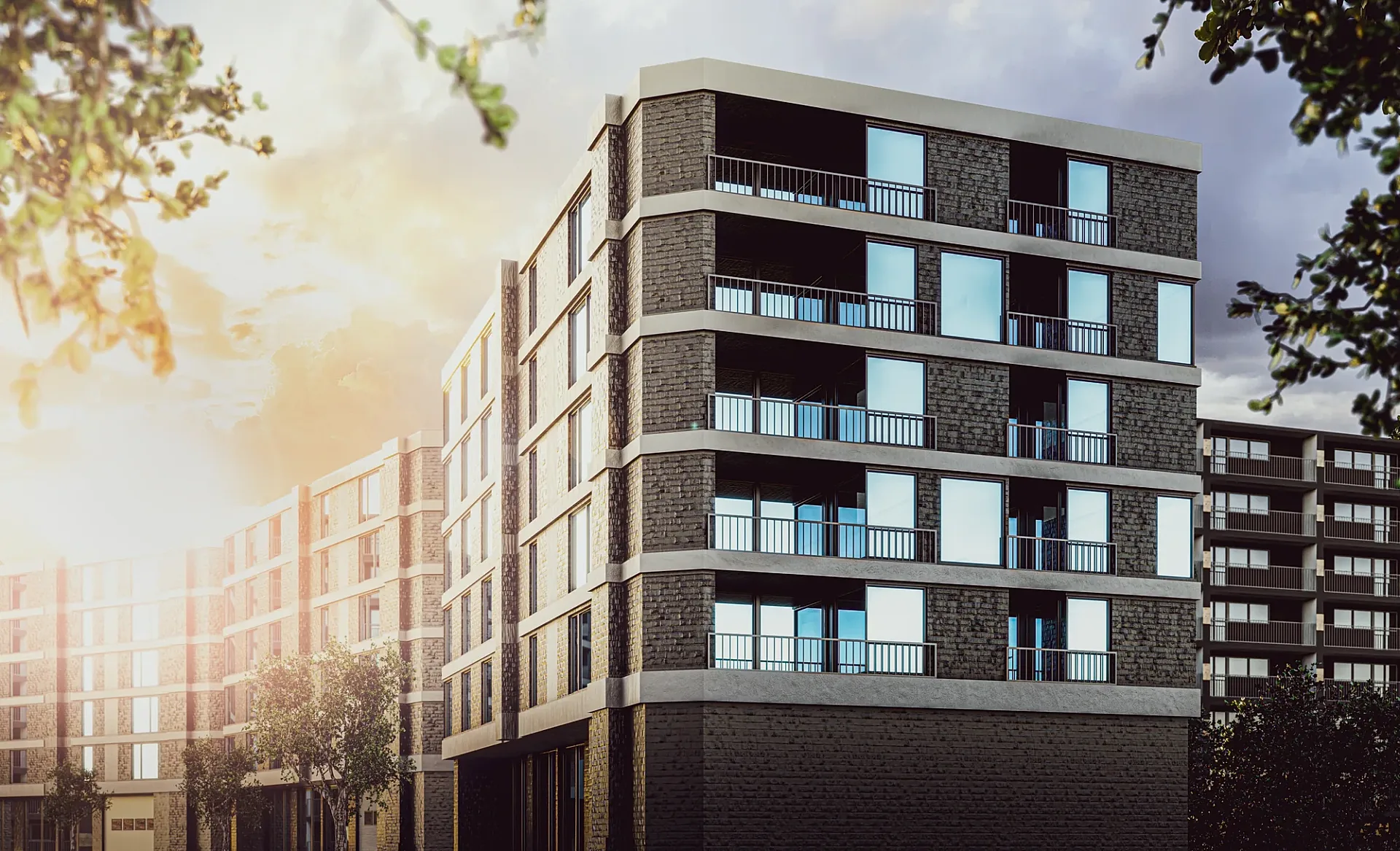
- Hero exterior: the three-quarter view that becomes the brand image on the hoarding, the brochure cover and the landing page.
- Streetscape: the building in its row of neighbours at eye level — reused for the DA and to answer 'what does it look like from the footpath'.
- Dusk exterior: the emotional image for social media and the display suite screen, with interior lights on.
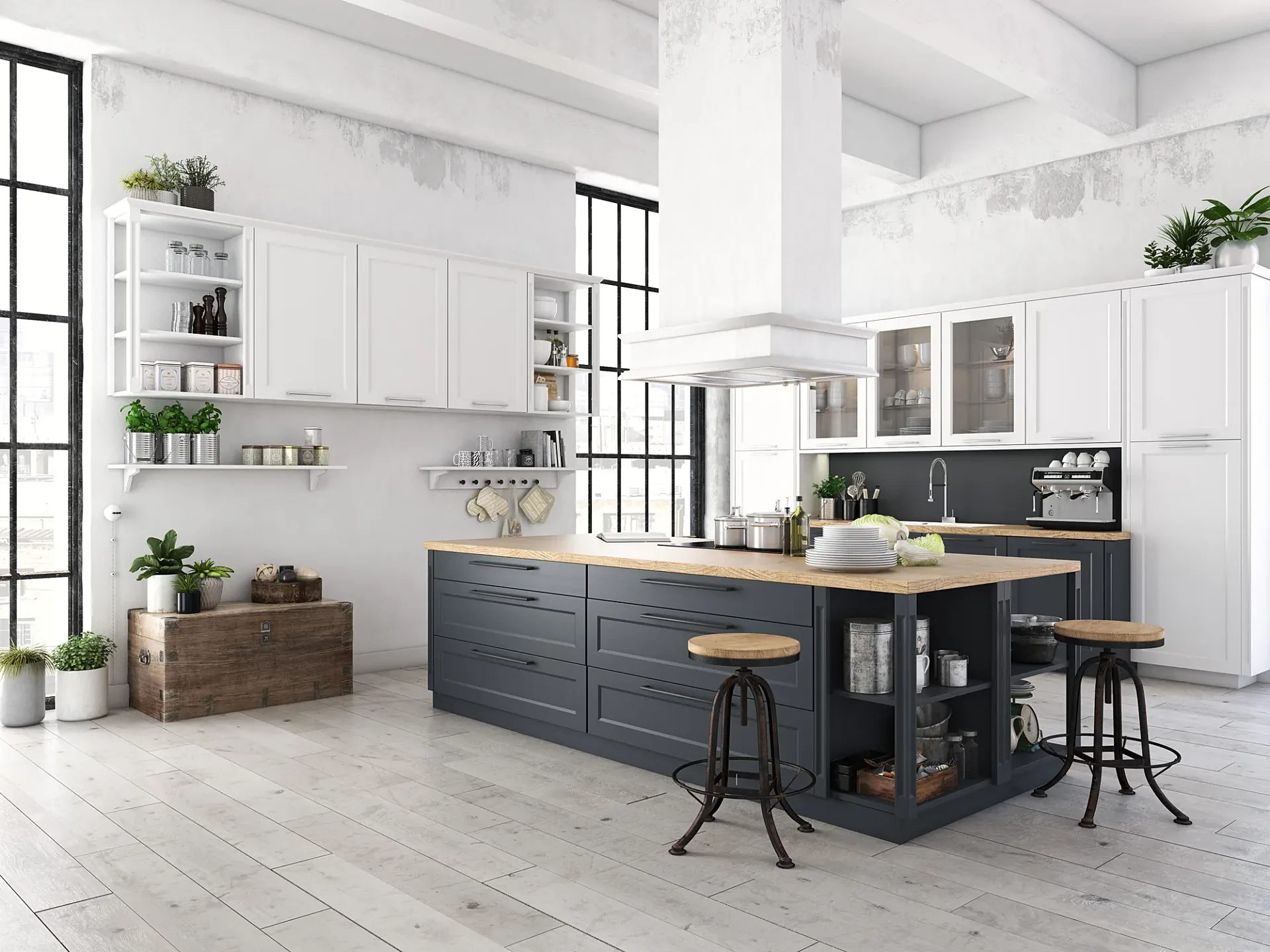
- Interiors per apartment or house type: living/kitchen, main bedroom, bathroom — in each colour scheme offered.
- Amenity: rooftop, pool, gym, lobby or communal garden — the images that justify the strata levy.
- Furnished 3D floor plans: one per type, plus a key plan showing position in the building.
- Aerial or masterplan: for staged estates and large sites, to show what is where.
- Animation: a 30–60 second flythrough/walkthrough for the display suite, the website and paid social, cut down to 15 seconds for ads.
When to commission renders in the development program
The earliest render is usually the planning render — the streetscape or verified view that goes in with the DA or planning permit application. Commission it as soon as the design is frozen for lodgement; it is economical to extend into the marketing set later because the model already exists. Marketing renders should be briefed as soon as the finishes schedule and the colour schemes are locked, which is usually 8–12 weeks before launch: allow one to two weeks for production, then the agency needs time to build the brochure, the website and the display suite around the images.
The common mistake is briefing marketing renders before finishes are locked. Every change to a benchtop or a cladding colour after the draft is a revision, and once you are past the included rounds it is a cost and a delay.
What buyers respond to, and what they see through
Buyers respond to accuracy and atmosphere in that order. The render has to match the finishes schedule, the ceiling heights, the window sizes and the view — because buyers compare it with the plans, the display suite and eventually the finished apartment, and mismatches surface as complaints, and in the worst cases as disputes. Within that constraint, atmosphere sells: dusk light, real-scale furniture that suggests a life, planting that looks a few years established rather than thirty, and people in the amenity spaces.
What buyers see through: views the apartment does not have, furniture that would not fit the room, impossibly slim balustrades, streets with no cars and skies that do not belong to the city. The disclaimer on the brochure does not undo a render that misleads; it just makes the eventual conversation worse.
Renders for real estate agents: established homes and knock-down-rebuilds
Agents use rendering in three ways beyond off-the-plan projects. Knock-down-rebuild listings, where the land is sold with a concept for the new home, need a facade render and a floor plan to show the buyer what is possible. Renovation listings use a 'before and after' render to show an extension or a new kitchen from the plans. And empty homes for sale or lease use virtual staging — furniture rendered into the listing photographs — which is far more affordable than physical staging and lets the same room be styled for different buyer types.
Furnished 3D floor plans, from A$445, are the highest-return item on a listing: one plan serves the portal, the brochure and the inspection handout, buyers use it more than any other image after the photographs, and it turns around in three business days.
Display homes, house-and-land and estates
Builders and land developers work differently from apartment developers. A builder's facade range needs every design and every facade option rendered consistently, and the cost logic is that each additional facade of a modelled design is a variant. House-and-land packages need the home shown on the specific lot with its setbacks and orientation. Estates need an aerial masterplan for lot selection and a streetscape that shows the design guidelines producing an attractive street rather than a row of identical boxes. Display homes not yet built are sold from a render on a board in the village.
Commercial projects: leasing from plans
Commercial pre-leasing follows the same logic with a more practical audience. Office tenants want the approach, the lobby, the end-of-trip facilities and a fitted typical floor. Industrial tenants want clear height, roller-door dimensions, yard depth and truck access shown accurately, plus an aerial of the estate. Retail tenants want their signage on the elevation and the centre in context. Leasing packs are quoted as sets, and an animation is often the most efficient way to show a whole building to a national tenant who will not visit.
What property marketing renders cost
Per image: exteriors from A$445, interiors from A$345, 3D floor plans from A$445, aerials from A$795, animation from A$65 per second with a 30-second minimum. A typical boutique apartment launch — hero, streetscape, dusk, three interiors in two schemes, amenity and four floor plans — lands between A$4,495 and A$6,420 before volume pricing depending on the number of apartment types, and a 60-second animation adds from about A$3,900. Sets of five images or more are priced as a package, and colour-scheme variants are priced as variants. The full cost breakdown is on our 3D rendering cost guide.
How to brief a marketing render set
Send the architectural drawings, the finishes schedule with supplier codes, the colour schemes, the landscape plan, the brand guidelines and the launch date. Say who the buyer is — first-home, downsizer, investor, overseas — because it changes the styling. Lock the finishes before the draft render, and consolidate stakeholder feedback into each revision round. Our briefing guide has a checklist you can hand to the project team.
Questions
Frequently asked questions
A boutique residential launch typically needs a hero, a streetscape, a dusk view, two to three interiors per type in each colour scheme, an amenity view and a furnished floor plan per type. Larger projects add an aerial and a 30–60 second animation.
Once finishes and colour schemes are locked, usually 8–12 weeks before launch. Planning renders can be briefed earlier and extended into the marketing set from the same model.
From A$445 per exterior and A$345 per interior, with volume pricing from five images. A typical boutique launch set lands between A$4,495 and A$6,420 before volume pricing; animation adds from around A$3,900 for 60 seconds.
Yes. Images are delivered at 4K (6K–8K for aerials), which covers hoardings, display walls, brochures and portals from the same file.
Indirectly — pre-sales are the usual condition of construction finance, and pre-sales are made from the renders. Lenders also see the marketing set in the funding submission.
Knock-down-rebuild concept renders, renovation before-and-after images, virtual staging of empty homes, and furnished 3D floor plans for listings.
Only if they misrepresent the product. Renders must match the finishes schedule, dimensions and views; a disclaimer does not cure a misleading image. We render to the specification, not beyond it.
Yes. Styling, colour grading, floor-plan templates and typography are set to your brand guidelines and applied across the set.
Services
Commission a render
3D Exterior Rendering
3D exterior rendering and facade visuals for Australian developers, builders and architects.
from A$445 per image
3D Interior Rendering
3D interior rendering for Australian architects, designers and developers.
from A$345 per image
3D Architectural Animation
3D architectural animation, walkthroughs and flythroughs for Australian developers and architects.
from A$65 per second (min. 30s)
3D Floor Plans
Furnished 3D floor plans, colour 2D plans and site plans for Australian property marketing.
from A$445 per plan
3D House Rendering
3D house rendering for Australian builders, display villages and custom-home architects.
from A$445 per image
Townhouse & Duplex Rendering
Townhouse and duplex 3D rendering: streetscapes, dwelling types and interiors for launches and planning, from A$445 per image.
from A$445 per image
Apartment Rendering
3D apartment rendering for Australian developers, marketers and architects, from your drawings.
from A$445 per image
Granny Flat Rendering
Granny flat and secondary dwelling 3D renders for Australian builders: the real backyard, compact interiors and site plans, from A$445.
from A$445 per image
3D Product Rendering
3D product rendering for Australian furniture, joinery and building-product brands.
from A$345 per image
Commercial 3D Rendering
Commercial 3D rendering for retail, office, hospitality and industrial projects across Australia.
from A$445 per image
More guides
Keep reading
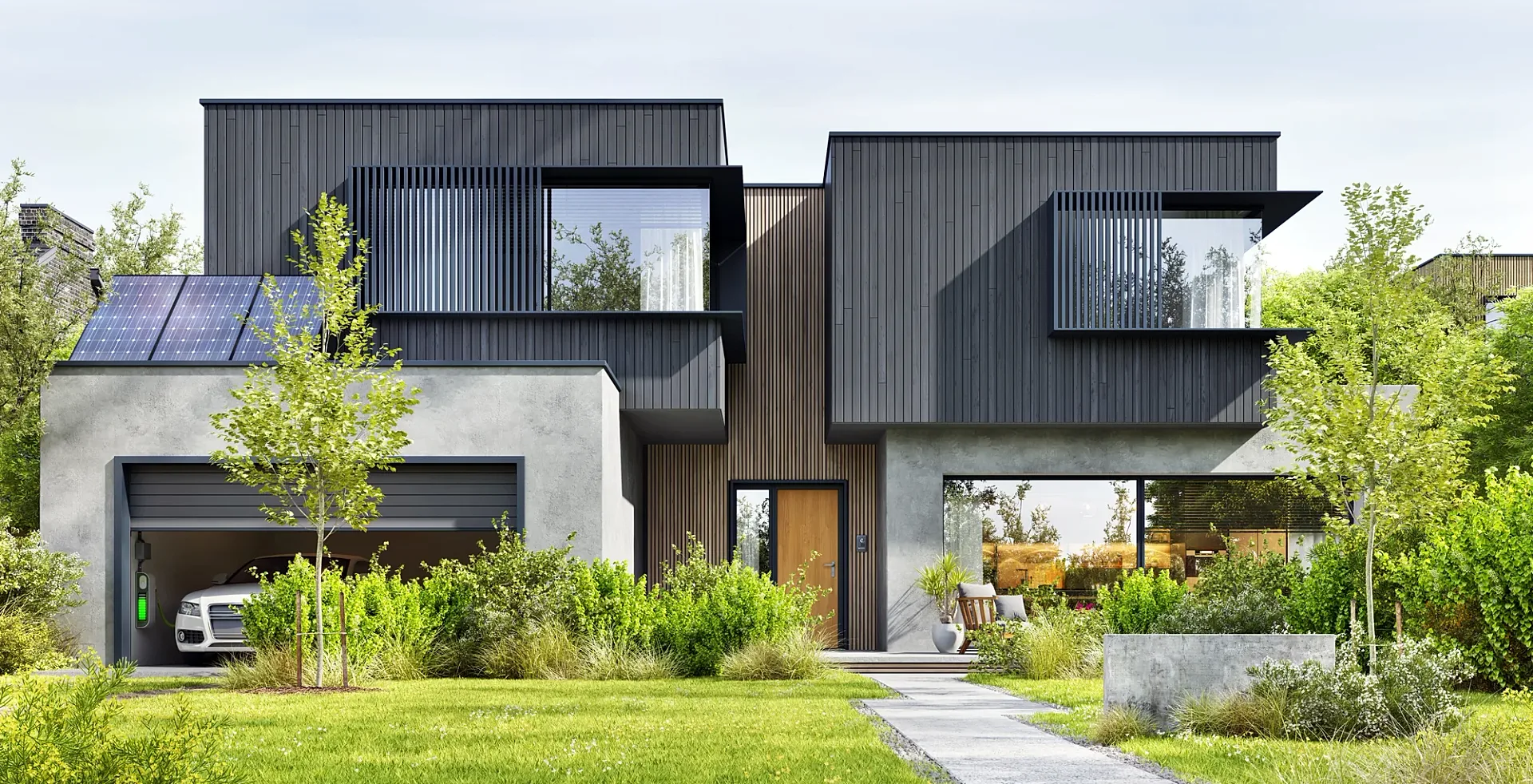
3D Rendering From House Plans: Turning Your Drawings Into Photoreal Images
Turn house plans into a photoreal 3D render: which drawings to send, how the view and finishes are chosen, prices from A$445 ex GST, 5–7 business days.
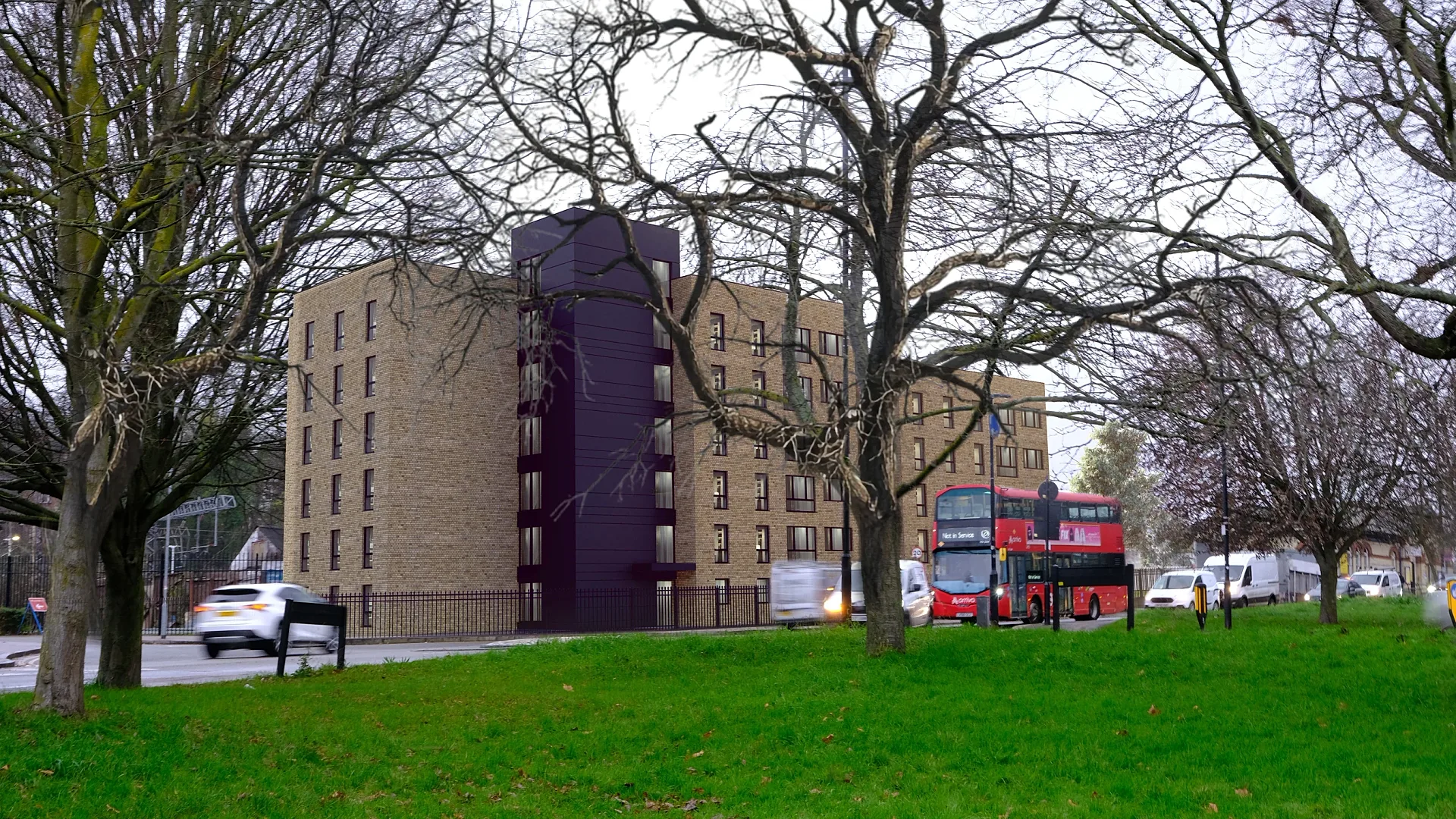
Renders for a Development Application: What Councils and Panels Expect
What councils and panels expect from renders for a development application, state by state, and how a photomontage becomes a documented verified view.
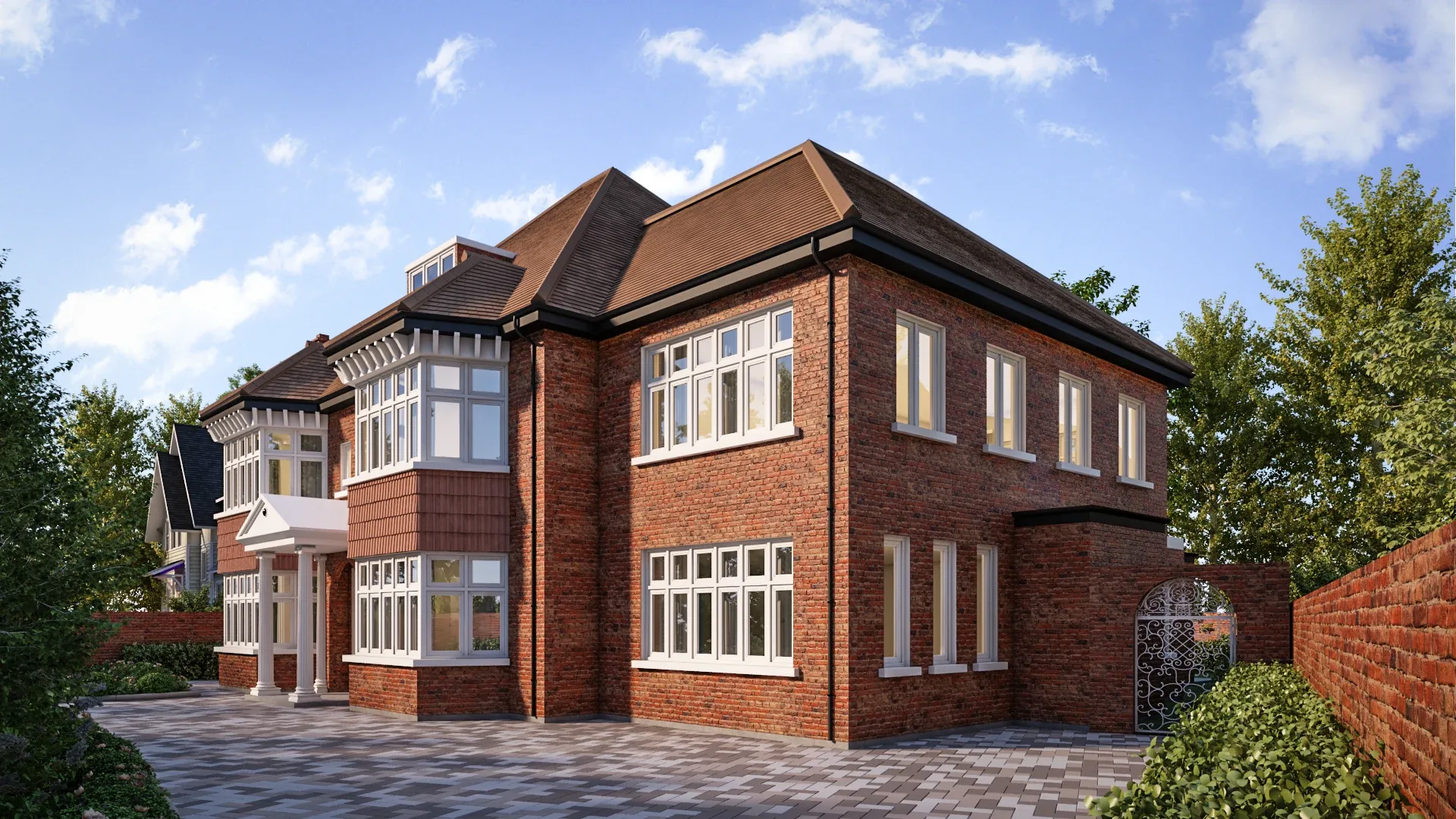
What Is 3D Rendering?
What 3D rendering is, how it differs from photography, when to use it, how it is made and when it is worth commissioning — by a working rendering studio.
How to Brief a 3D Render
What to send a rendering studio — drawings, finishes, references, deadlines — plus a briefing checklist that gets a better render with fewer revisions.
How Long Does 3D Rendering Take?
Realistic 3D rendering turnaround times in Australia for stills, floor plans, aerials and animation, stage by stage, plus what makes a render run late.
Get a fixed AUD quote within one business day
Send us your plans, elevations or even a sketch. Exterior renders from A$445, interiors from A$345, delivered in 5–7 business days.